Showing posts with label Maps and Journeys. Show all posts

Tuesday, 9 December 2014

Innovation and Interference - Maps and Journeys Final


JooHee Yoon

I looked at some of JooHee Yoon's illustrations and noticed that he has a style of creating 2D illustrations. In the second picture, he creates depth with the 2D style, allowing for a more dynamic/aesthetic look.

JooHee Yoon (http://jooheeyoon.com/index.html)


The inspiration of the idea came from searching sketches on google on the different parts of the brain and its functions.


Hilary White
Her 3D art pieces add a dynamic to the illustrations, also giving depth and a visceral aspect. I wanted to incorporate this into my illustration, using polyboard whilst creating pockets where mp3 players will be stored, allowing the audience to insert headphones into various different parts of the illustration. 


I had time to think about the idea again and as I'd gotten into the illustration of the project, I decided to change it again, this time removing the sound aspect and making it a visual piece instead. The reason for this was because the idea to me was either better as a sound piece in itself or just a visual piece.

After brainstorming ideas, I came to the realisation that I wanted to create a piece that included illustration including sound, therefore the journey and thought process of an idea was something that I wanted to do. I created a rough illustration which would detail a brain from the top point of view. This would outline the left and right side of the brain (left side being the more logical/statistical thinking side whereas the right side is the more creative/imaginative side of the brain). I was also brainstorming the fact that I would add a simple pathway going in and out of both sides of the brain (detailing the fact that I had to stay grounded to the brief but also creative).
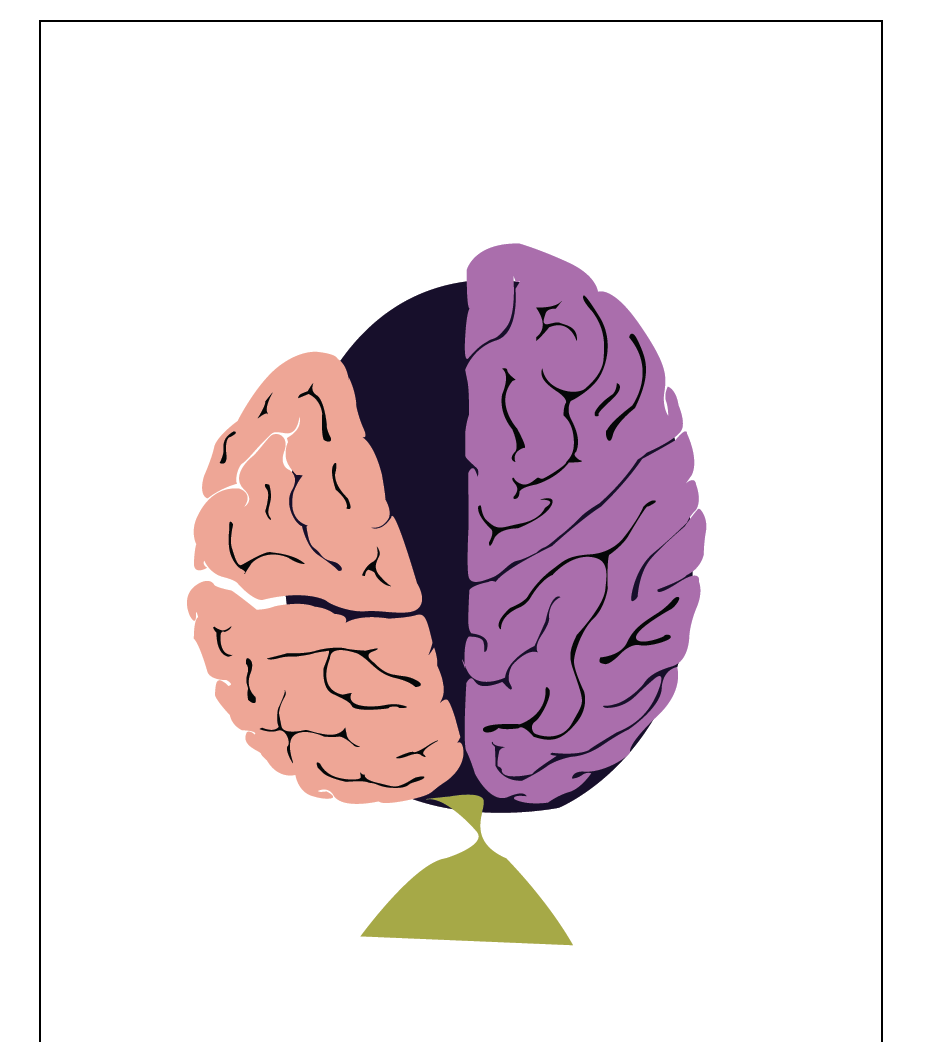
From the above image, it is a screenshot of the base of the piece. The left side of the brain being slightly tilted and sagging due to the heavy demands of the brief, whereas the right side of the brain would be where the pathway would stray towards, as it promotes creativity and imagination. I was thinking of also intersecting the pathway between the two sides which shows unity and a sense of balance.


I had also experimented with adding cracks to show deterioration during a thought process of an idea, in which the brain is visibly struggling to cope with building the idea together.


In addition, I experimented with placing a nail , with ropes theathered to the brain, acting as the brief itself in which it is grounding the idea to the theme.


I had also wanted to incorporate a soundwave to the installation piece, This would give me the reason to add a sound piece to the mix, giving a sense of interactivity to the piece and also space to add the mp3 players into. It also reverts back to my original idea with the Four Doors and environments. I had the idea of having it crumble onto the ground, showing us that the idea in itself hadn't materialised.


After researching different methods, I decided to stick with the brain, however, I wanted to change up the initial idea with the process of an idea, by using a heat map I had seen on TV. This would play into the idea of which part of the brain is used the most (left or right) whilst working on an idea. I would also use Hilary White's 3D art piece as reference to create this 3D heatmap.


This heatmap allowed me to outline the basis of the idea, by Incorporating this into a brain, it will detail the paerts of the brain in which the thought and thinking process happens.
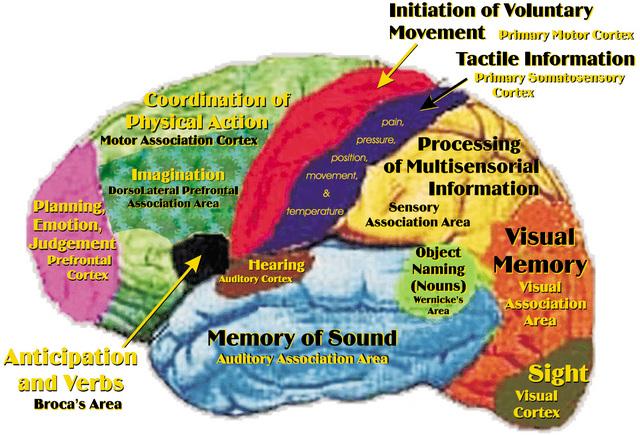
This image helped me with knowing the different parts of which a brain processes certain things, such as sight being at the rear of the brain and movement being at the centre.


I began with using the same outline of the brain from my previous illustration, however I created loads of tiny boxes to create a grid over the outline (keep in mind each of these individual boxes will be cut and places over another outline on a polyboard, creating a 3D piece). Each brain part will be around A3 size, therefore it will be a large piece when placed together.


I came to the conclusion that I wanted to continue on with my previous draft of the 'Journey through the Mind' illustration rather than doing a 3D heatmap of a brain, as this would have been very difficult to create and expensive material wise.


The roads represent the many different ideas I had whilst enduring this unit, twisting and turning between the two sides of the brain differentiating from logical thinking to creative thinking.

The nails represent the theme of the brief, with the ropes holding down the brain, acting as a restriction to the idea. The cracks itself gives an idea of stress and pressure affecting the process of the journey, with the oath having to redirect itself away from it.

The passing of the pathway between both the Left side (logical thinking side) and the Right side (Creatively thinking side) details the indecisiveness of my ideas, based on the fact that I could never settle on a single thought throughout this entire unit.

Wednesday, 3 December 2014

Innovation and Interference - Maps and Journeys

I had time to think about the idea again and as I'd gotten into the illustration of the project, I decided to change it again, this time removing the sound aspect and making it a visual piece instead. The reason for this was because the idea to me was either better as a sound piece in itself or just a visual piece.

After researching different methods, I decided to stick with the brain, however, I wanted to change up the initial idea with the process of an idea, by using a heat map I had seen on TV. This would play into the idea of which part of the brain is used the most (left or right) whilst working on an idea. I would also use Hilary White's 3D art piece as reference to create this 3D heatmap.


This heatmap allowed me to outline the basis of the idea, by Incorporating this into a brain, it will detail the paerts of the brain in which the thought and thinking process happens.

This image helped me with knowing the different parts of which a brain processes certain things, such as sight being at the rear of the brain and movement being at the centre.


I began with using the same outline of the brain from my previous illustration, however I created loads of tiny boxes to create a grid over the outline (keep in mind each of these individual boxes will be cut and places over another outline on a polyboard, creating a 3D piece). Each brain part will be around A3 size, therefore it will be a large piece when placed together.


Innovation and Interference - Maps and Journeys Installation

After brainstorming ideas, I came to the realisation that I wanted to create a piece that included illustration including sound, therefore the journey and thought process of an idea was something that I wanted to do. I created a rough illustration which would detail a brain from the top point of view. This would outline the left and right side of the brain (left side being the more logical/statistical thinking side whereas the right side is the more creative/imaginative side of the brain). I was also brainstorming the fact that I would add a simple pathway going in and out of both sides of the brain (detailing the fact that I had to stay grounded to the brief but also creative).

From the above image, it is a screenshot of the base of the piece. The left side of the brain being slightly tilted and sagging due to the heavy demands of the brief, whereas the right side of the brain would be where the pathway would stray towards, as it promotes creativity and imagination. I was thinking of also intersecting the pathway between the two sides which shows unity and a sense of balance.


I had also experimented with adding cracks to show deterioration during a thought process of an idea, in which the brain is visibly struggling to cope with building the idea together.


In addition, I experimented with placing a nail , with ropes theathered to the brain, acting as the brief itself in which it is grounding the idea to the theme.


I had also wanted to incorporate a soundwave to the installation piece, This would give me the reason to add a sound piece to the mix, giving a sense of interactivity to the piece and also space to add the mp3 players into. It also reverts back to my original idea with the Four Doors and environments. I had the idea of having it crumble onto the ground, showing us that the idea in itself hadn't materialised.


Wednesday, 22 October 2014

Innovation and Interference - Maps and Journeys Installation

Sound Journey Idea

One of my ideas refers back to the first year of Experimental Sound, where we were shown a film (The Double Life of Veronique) in which the protagonist starts listening to audio of someone's journey. We hear distinct noises (such as footsteps, creaking of doors, dialogue, background noise, etc) which create a narrative, distinguishing key moments of the person's journey.
http://www.imdb.com/title/tt0101765/


My idea would be similar to this, featuring a journey through sound. The installation will require the audience to place headphones in and listen to the sounds that are being played back to them, using their imagination to map out a path of their journey. This would place some sort of interactive feature within the installation, which allows each audience member a unique experience and hopefully immersing them into this fictional world.


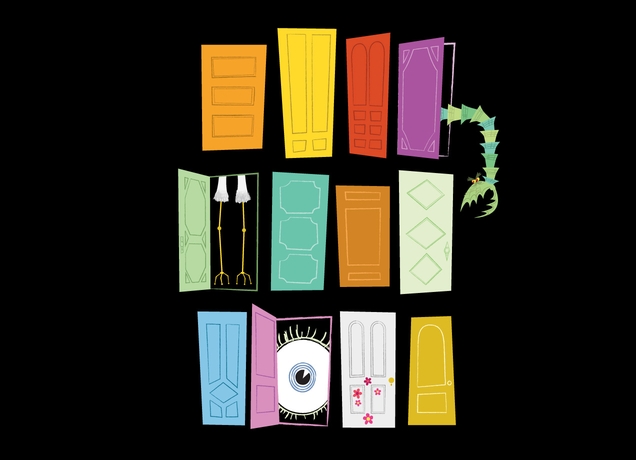
The inspiration of my work will be solely from Disney Pixar's 'Monsters Inc.', in which I will incorporate a person walking through several different doors featuring different environmental changes/sounds. I will recreate the sounds of these various environments, allowing the audience to differentiate between them and experience what the character is experiencing.

Environments:
Outdoor Grass (Birds tweeting, trees swaying, grass footsteps)
Mountain Climate (Heavy wind, snow footsteps)
Storm (Thunder, Lightning, rainstorm, splashing)
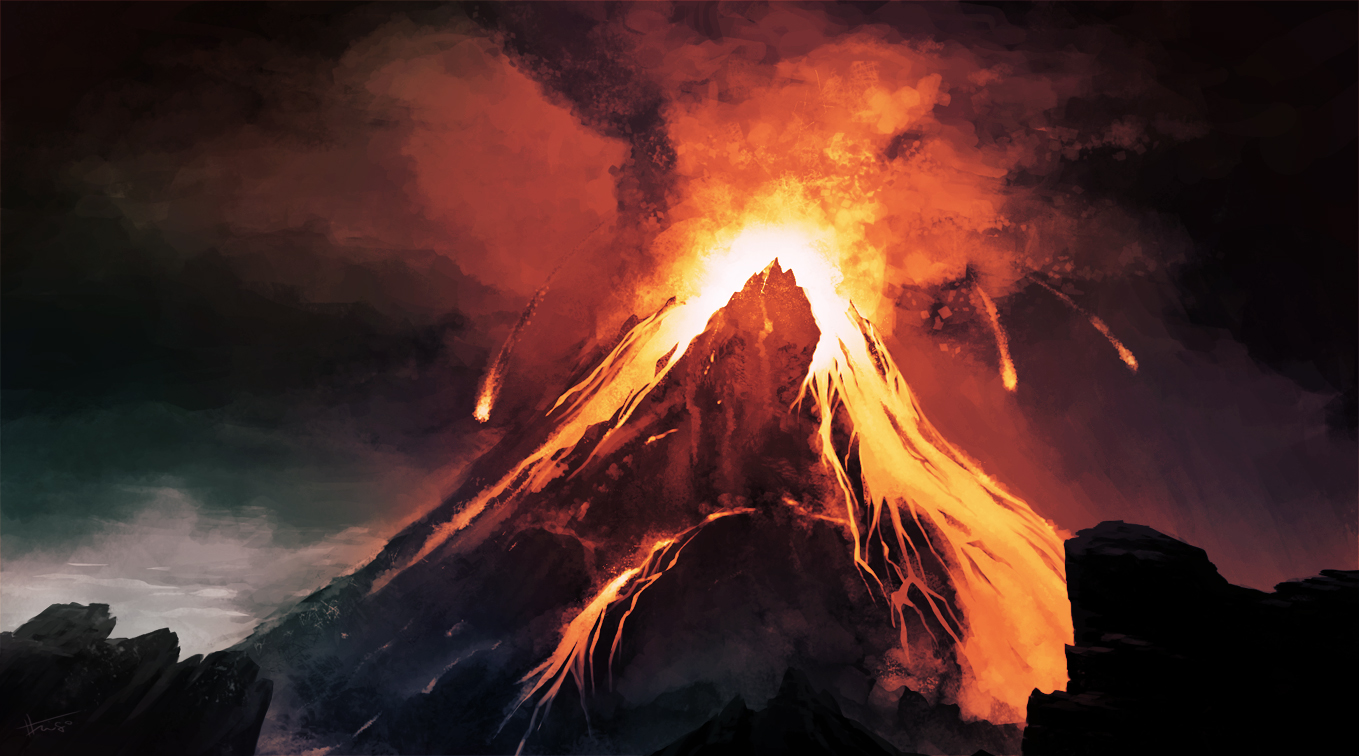
Volcano (Cracking, eruption, audible struggle of the character)
Restaurant setting (Hear background noises of people dining)
Empty room (Echoed footsteps, slight breathing)
Techno room (Odd techno bass sounds, experimenting with techno sounds)


Installation Idea

During the tutorial with Rosie, I discussed the idea and despite interest, I was questioned with how I can present the installation whilst making it interactive to the audience. My original Idea was to present it on a small mp3 player, with headphones attached to it, allowing the audience to immerse themselves in the sound environment. However, after sharing this idea with Rosie, I was told that this idea was less immersive and a slow process for an audience member to have to wait for the person using the mp3 player.

After brainstorming ideas, the plan was to incorporate four doors connected to a small booth. The doors will therefore be used as a switch, triggering the sound of an environment once open. Once a certain door is open, a light representing the sound of the climate will shine into the booth.

The environments were narrowed down to the following:
Outdoor Grass (Birds tweeting, trees swaying, grass footsteps)

Mountain Climate (Heavy wind, snow footsteps)

Volcano (Cracking, eruption, audible struggle of the character)

City (Busy streets, crowds, London)

After the presentation to the class, we received feedback on the idea. The biggest criticism with the piece was the fact the the doors seemed to be more of a gimmick, with less of a real meaning behind it. Robert also mentioned the fact that the doors could be used with a sense of curiosity for the audience, which seemed quite interesting to use, as everyone encounters curiosity on their personal journeys.

After a discussion with the group and Rosie, we decided to split up and do our seperate ideas due to time constraints.


Treatment
For the Maps and Journeys installation project, I will incorporate the idea of journeying through an idea, in which it develops in the mind. By presenting it using an illustrated form, I will incorporate sound into the mix in order to allow the audience a more immersive experience.

The concept of this idea will include an illustrated installation piece, much like the works of Hilary White, in which I will layer illustrations over each other to create a 3D piece. In addition, I will specifically place small mp3 players featuring sound, allowing the audience to plug in headphones into sections of the piece in order to hear the part of the journey it will be representing.

The target audience will be aimed at people who generally visit galleries and are interested in interpreting the sound to their own imagination. The basis of the installation will hopefully provide interactivity for the audience in which they will listen to certain points of the journey through headphones. 

Equipment/Software needed will include:

Polystyrene
Printer
Scalpel
Spray Glue
Mp3 Players x3
Headphones
Marantz Recorder
Adobe Illustrator/Photoshop
Pro Tools

Sounds needed will include:
Outdoor fields (representing empty thoughts) - Birds tweeting, Trees swaying, light breeze of wind, grass footsteps
Snowy Mountain (representing conflict with ideas) - Heavy wind, snowy footsteps
Volcano (representing the creation of the idea)  - Cracking, eruption, steaming noises, bubbling lava


It is important when editing that any copy-written material used during production is used with permission of the holder and is also noted down on the blogs. The sound will mostly be recorded using a Marantz recorder, therefore there won’t be any copyright permission needed.


Thursday, 9 October 2014

Maps and Journeys - Leah's Project

For Leah's Project, we are required to create a journey and document it, making it personal to ourselves. For my idea, I decided to visit all the local pubs around West Street, Farnham.

In Rosie's lecture , we learnt about the many ways that maps can be portrayed through art. One of the topics mentioned was GPS, and how that can be related to something artistic.

GPS tracking allows someone to trace their journey, seeing the start point and end point. Many people have created imagery from GPS on a map by tracking their route and creating an object out of it.

GPS Image of a Jellyfish by Michael Wallace


This is a great way to visualise how this person travelled, as it was a single route (no stopping and then turning on the GPS to create the image), giving us the idea that this person had to backtrack during their journey in order to create this image.

My idea is to visit all the local pubs around Farnham Town Centre. I will picture the inside of the pubs and note down any important sights and also the atmosphere of them using sound clips to add detail.


I planned my route (above picture) and mapped out all the pubs on the road. This would give me an idea on where they were and how many I can tick off the list.

The Jolly Sailors


_________________________________________________________________________________

The Plough


_________________________________________________________________________________

The Wheatsheaf


http://www.gps-art.org/

http://www.themobilecity.nl/2014/02/07/exhibition-review-polakvanbekkums-gps-art-from-a-documentary-to-an-artistic-medium/